What We Do
Our main purpose is to reduce the gender inequality gaps as we believe that our vision will put the target group firmly on the track of literacy through quality formal education, non-formal education and life skills to becoming self-reliant.
YLF is currently operational in Gombe State of Nigeria and the Vocational Training Centre is located in Zambuk town of Yamaltu/Deba Local Government Area.
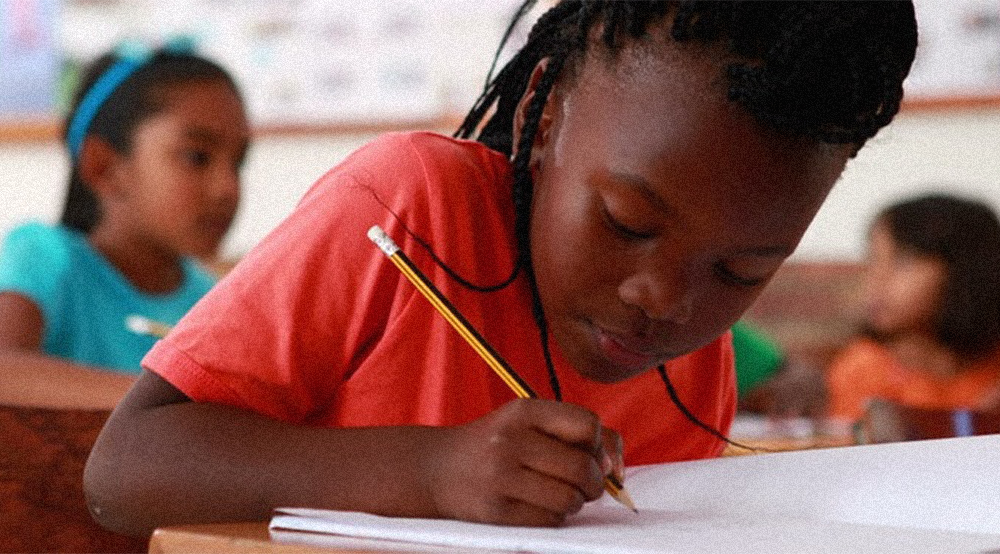
At Yarang Llamisi Foundation, we believe in the adage that “when you educate a girl, you educate a nation.” This is why our primary focus has been on the formal education of young girls. In fact, it is at the heart of what we do to ensure that young girls in our community receive a quality education, an education that gives them a fighting chance at a better life.
It is no secret that Nigeria, as a third-world country, is plagued by several challenges that hinder its development. From the low GDP rate to the insurgency and domestic terrorism that threatens the peace and learning of school children, many are girls that have been violently abducted from their schools. Nigeria is going through a crisis that is negatively impacting the formal education of both girls and boys. To make matters worse, the schools are grossly ill-equipped, they lack infrastructure, and the teachers are severely underpaid. All these mitigating factors result in the lack of good basic education. So why do we do what we do? Because we know girls are worth it.
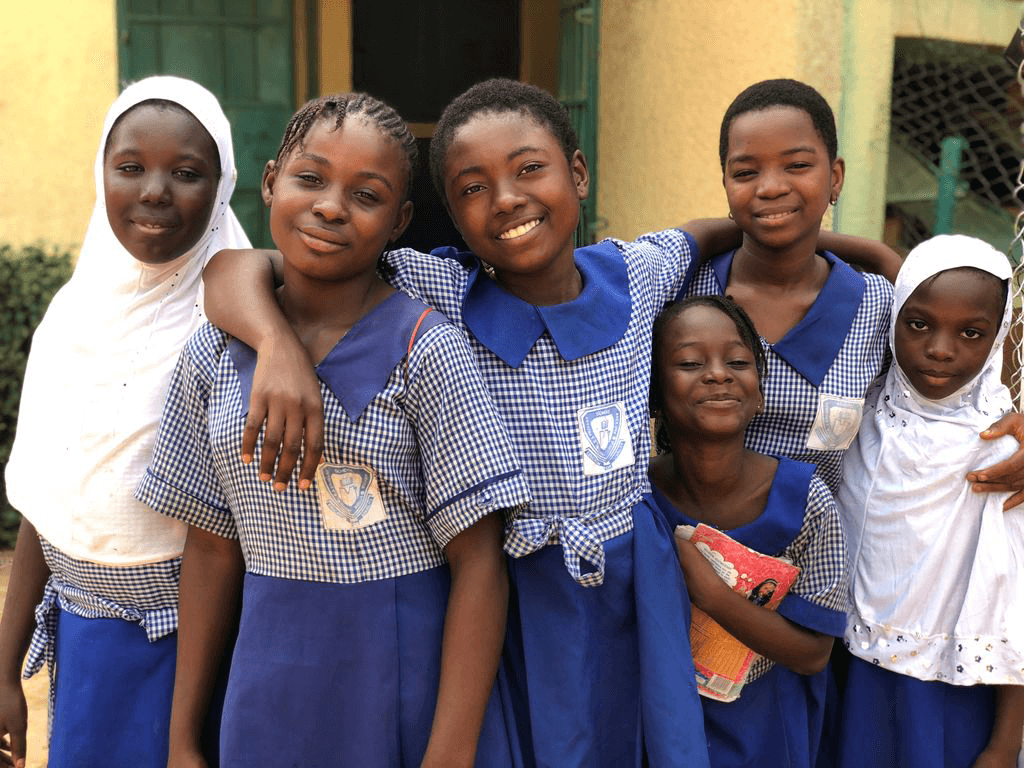
When we educate girls, teenage pregnancies, sexually transmitted diseases, infant mortality rates, and maternal mortality rates significantly decrease. Knowing the implications of unprotected sex and learning the dangers in constructive ways empowers girls to deny peer pressures and influence each other to make wise choices. Literate mothers attend ANC visits; they adopt safe birthing methods that ensure their children’s lives. They immunise their children because they can understand the value. A WHO factsheet reports that when a child is born to a woman in Africa who hasn’t received an education, they have a 1 in 5 chance of dying before 5. This is an unacceptable statistic. So we are investing in the future by educating our girls.
When we educate girls, it reduces the chances of Child marriage. Evidence shows that girls who attend secondary school are three times less likely to be child brides. Educating girls provides them with the skills, knowledge and confidence to make informed decisions about if, when and who they marry. When a child becomes a bride, it almost always ends her education in a formal school setting. This exposes the child-bride to so many injustices like poverty, abuse, health complications resulting from childbirth, just to mention a few. The child-bride barely has the knowledge she needs to have a healthy family and often becomes a mother while still being a child. Girl education ensures that a girl can break the cultural practices of early marriage and aspire to reach great potential for the benefit of many.
Educating girls helps alleviate poverty. A UN study reported that even with just Primary school education, a woman has better economic prospects and a greater chance of escaping poverty. A further study found that when women work, they invest 90% of their earnings back into their families when compared to men who only invest about 35%. Thus, when a woman earns a reasonable wage, she secures her children and family’s future and contributes to the community and economy’s growth.
Educating girls decreases support for Militancy. Nigeria has endured its fair share of ongoing terrorism and militancy, which is often supported and enabled by men and women. It’s heartbreaking when children are indoctrinated with such ideologies. However, studies have shown that as women become more educated, they are less likely to support militancy and terrorism than similarly educated men. As a vulnerable group, women and girls suffer firsthand the violence that comes with terrorism and militancy. However, they are strategically positioned to reject such ideologies with the proper education.
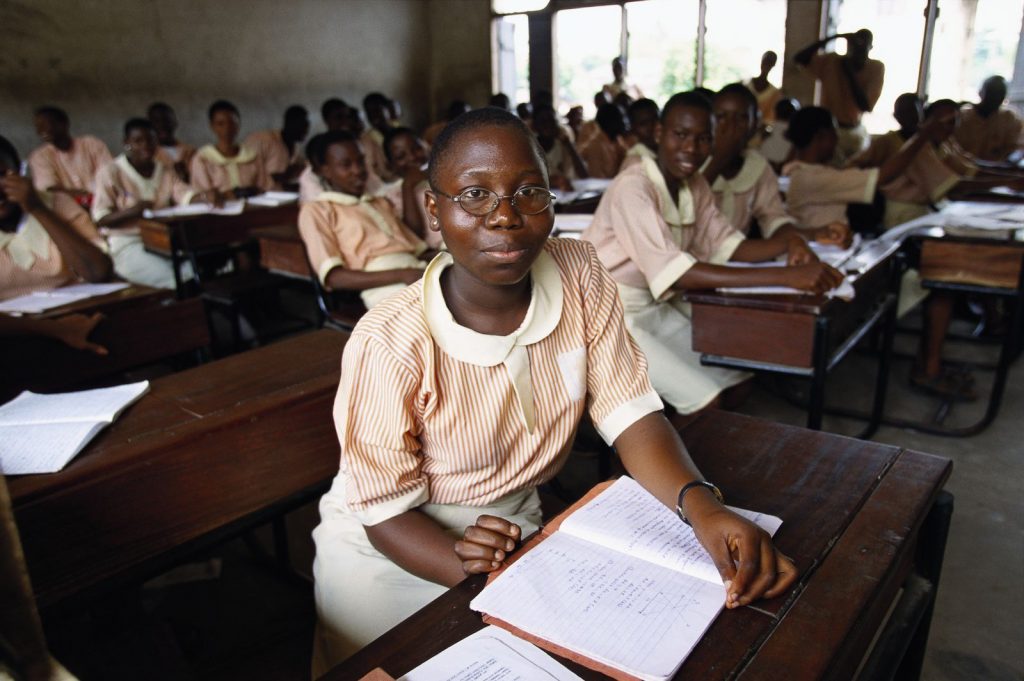
Women are change agents. We have already established how they significantly impact their families and communities. When we educate girls, they are more likely to pay it forward by returning to their communities and affecting change. Whether it’s a Malala Yousafzai advocating for girl education or a Greta Thunberg fighting to save the planet, it’s undeniable the influence education has had on these young women and how they are shaping and changing the world. In Nigeria, we have so many challenges and the enormous untapped potential of girls all over our nation who deserve the chance to shape their world for a better tomorrow.
Because of this and many more reasons, we have been working hard to bring hope to young girls by inspiring and supporting their education. Since our launch in July 2020, we have been able to fully fund free tutorials for girls (and boys) in Zambuk and its environs. We supported the students preparing for the WAEC and NECO examinations, so the gap in a school structured studying during the Covid_19 Pandemic wouldn’t affect their chances of success. In honour of the international day of the girl, we launched the maiden edition of an annual essay writing competition with the theme “My Voice Our Equal Future.” We received so many entries from girls within and outside Gombe, all beautiful voices united in purpose and the desire to see that all young girls in Nigeria live free from violence and harmful practices that hinder them from achieving their full potential. We gave cash prizes to five winners. We supported 490 families in the payment of PTA dues across schools in Yamaltu/ Deba LGA, Gombe State. This was to enable the students to get the extra facilities that the PTA dues support. Typically, parents agree to this levy to support school structures in their communities that struggle with funding so that the students will not be affected by the lack thereof. Due to the recession and the financial hardships endured in 2020, YLF saw the need to step in and lessen this burden. We donated school uniforms to 150 pupils of Sirankiwo Primary School of Akko LGA in Gombe State.
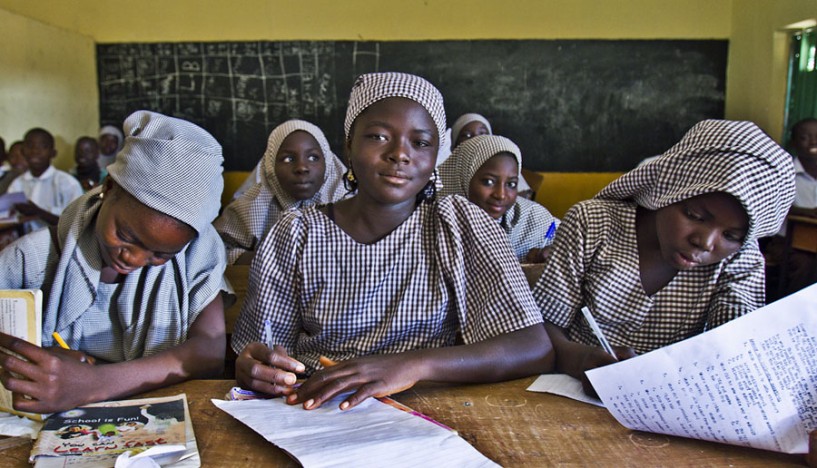
Our goal is simple. To work at removing barriers to girls receiving formal education by any means necessary. We continue to deploy strategies aimed at keeping our girls in the classrooms and hope you will partner with us to do the same.
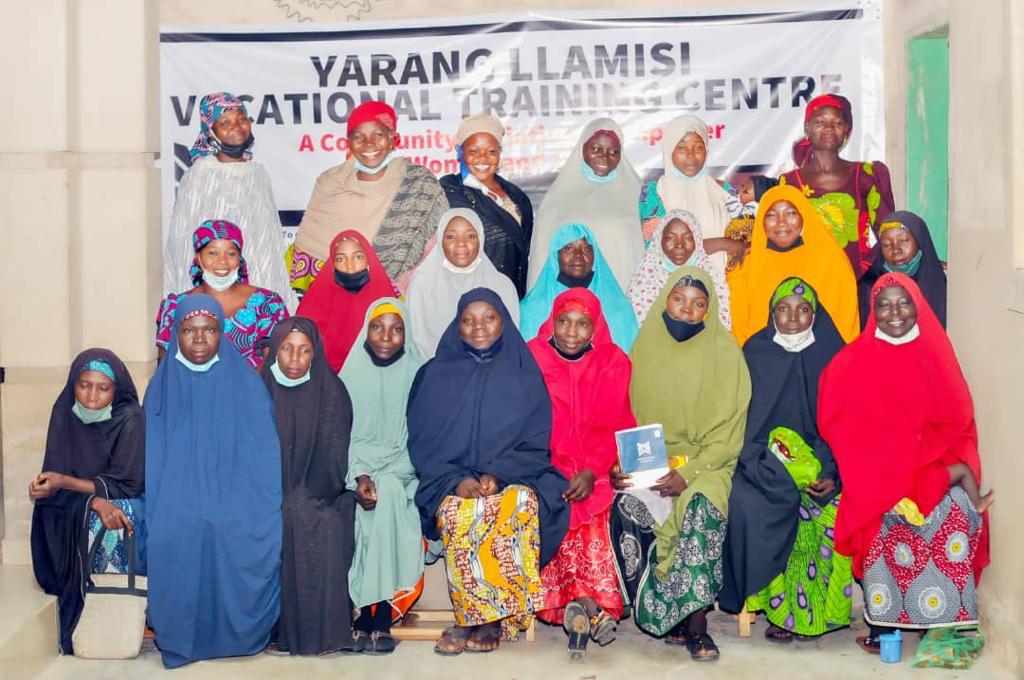
As part of our commitment at Yarang Llamisi Foundation (YLF) to empower the girl-child with the right education and skills required to become self-reliant, we will be offering free vocational training to young girls and women from Zambuk town and surrounding villages.
This vocational training will be offered alongside the free secondary education for young girls. At YLF, we believe developing the right skills will put these females on the right pathway to success, which will enable them to contribute adequately to society as well as the nation at large.
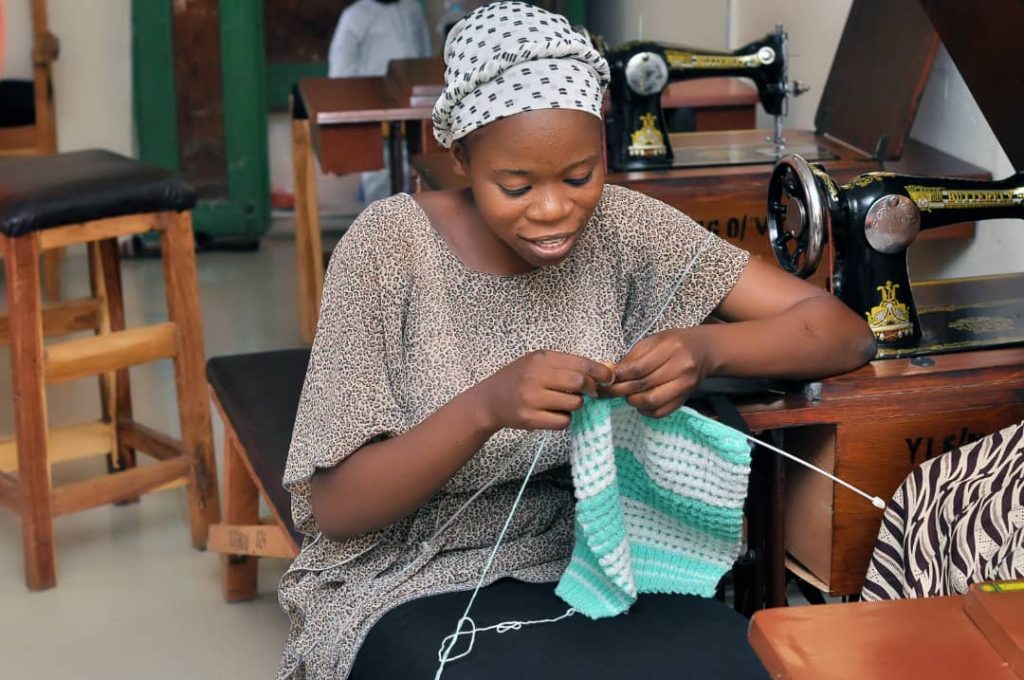
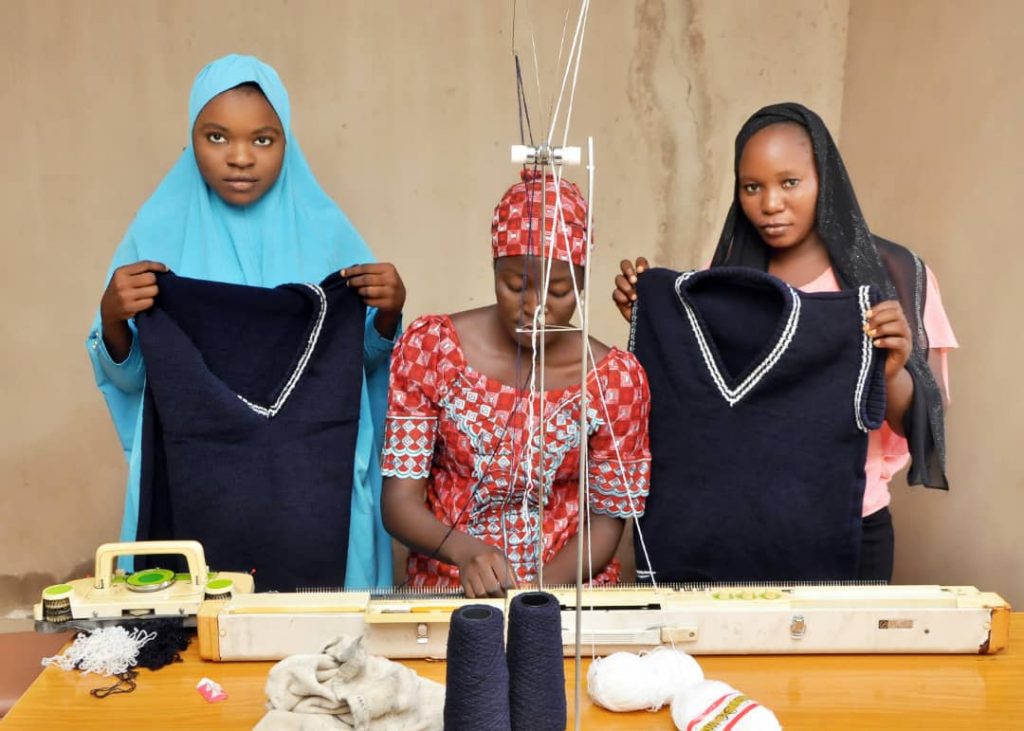
The free vocational training offered at YLF focuses on providing technical knowledge to the young girls and women from the community with hands-on instructions to prepare them to work efficiently in specific fields. Girls and women will be able to receive training in cake making, photography, soap making, food seasoning making, sewing, knitting, jewellery making, hairdressing, computer skills, and more.
This training will help increase their self-confidence, self-motivation, and self-esteem levels. Which will help them communicate effectively, become more assertive, gain respect from their colleagues, encourage themselves, and stand out.
The benefits of having vocational training cannot be overemphasised. Vocational training is so important because it equips people with the right practical skills to begin or enhance a career. Developing the right skills through adequate training will provide careers for life and freedom from the shackles of poverty. An empowered woman carries not just her family but the whole community along with her.
This is why YLF is passionate about offering vocational training to girls and women, to brighten the future of the people in Zambuk town and surrounding areas.
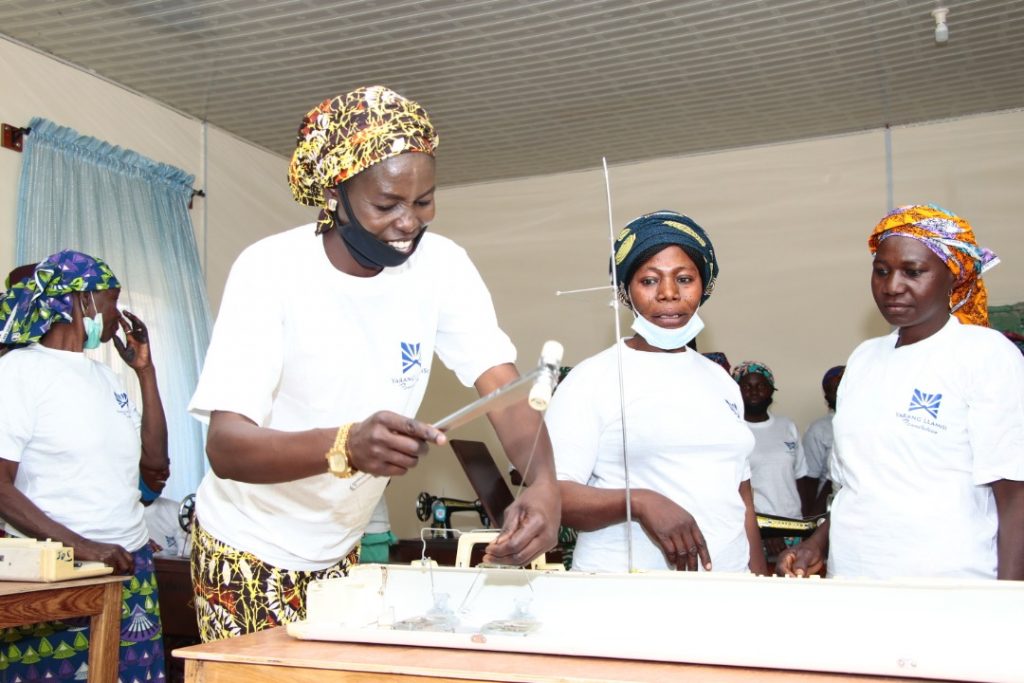
Previous research has shown that vocational training has a positive impact on a person’s employment opportunities. Learning a highly sought-after skill through our free vocational training will enable many girls and women to acquire life skills and knowledge, which will help them set up their businesses, create better employment opportunities and income-generating ventures.
The vocational training will also increase the number of empowered females in the community and help break the cycle of generational poverty, which is one of our main commitments to the people of Zambuk and neighbouring villages.
Did you know that women make up more than two-thirds of the world’s 796 million illiterate people? That is a significantly large number. It would be safe to say that the results would be identical if a similar census were carried out in Nigeria.
In looking at the various ways, we can achieve the Sustainable Development
Goals in Gombe, particularly:
-
Goal 5: Gender equality and the empowerment of women and girls.
- Goal 10: Reduce inequality
We, at Yarang Llamisi Foundation, realised that women and girls in Gombe can’t be empowered if they are not educated. Without education, there will still be a widening gap between women and men which does not support the attainment of Goal 10.
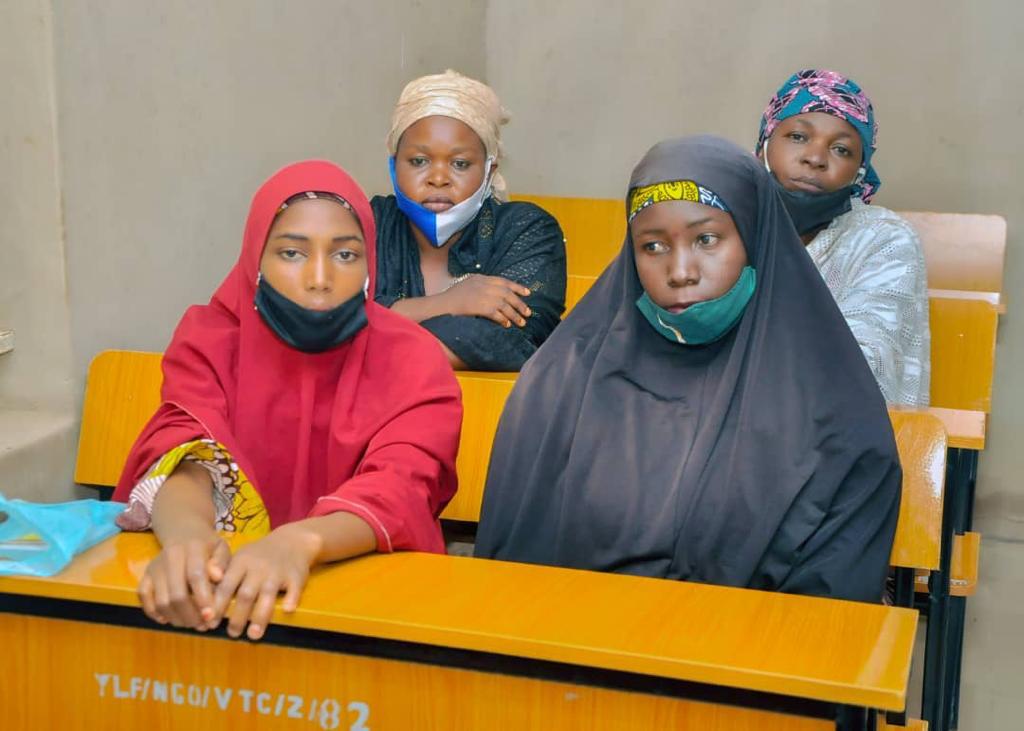
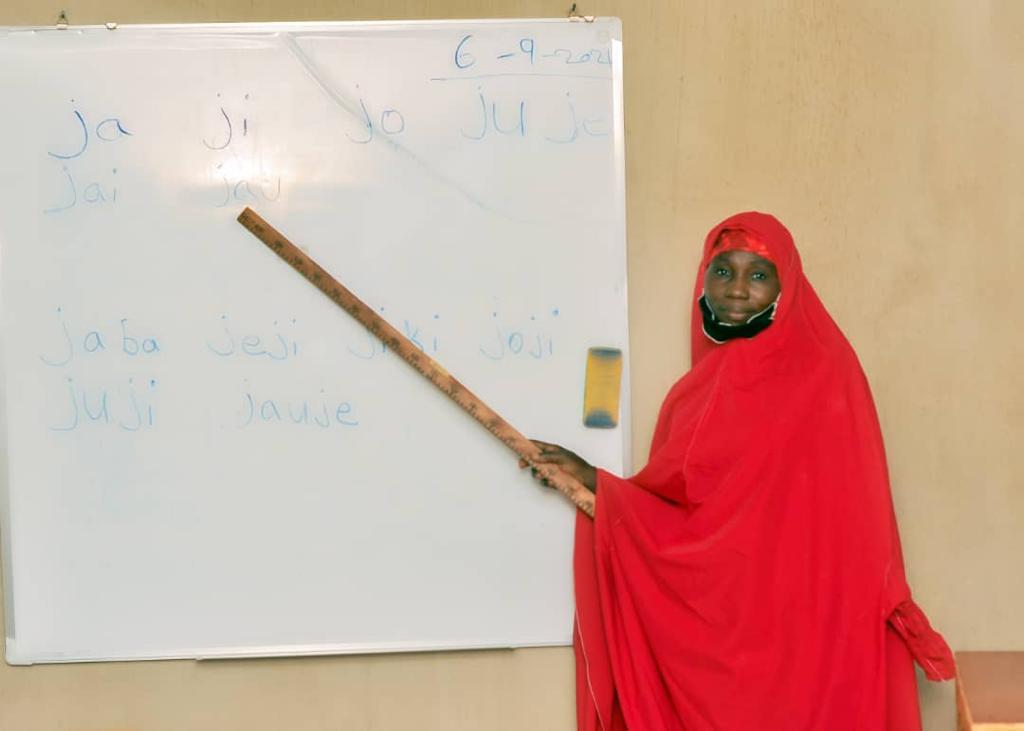
Unfortunately, literacy for many women in our part of the world is a luxury that they cannot afford. There aren’t that many opportunities to help them pursue adult education. In childhood, male education is often prioritised over female education, which means that a girl grows without those fundamental building blocks and remains at a tremendous disadvantage. So we decided to take action by launching the Second Chance Initiative, a literacy and education program explicitly aimed at women as a disadvantaged group, to equip them with literacy skills through informal and formal adult education with the aim of enriching their lives and helping them develop skills that will benefit them, their families and our entire community.
Why are women literacy and education initiatives so important? We believe, in the Nigerian context, and specifically, what we have experienced in Gombe and Northern Nigeria, that women literacy and education programs are necessary for the following reasons.
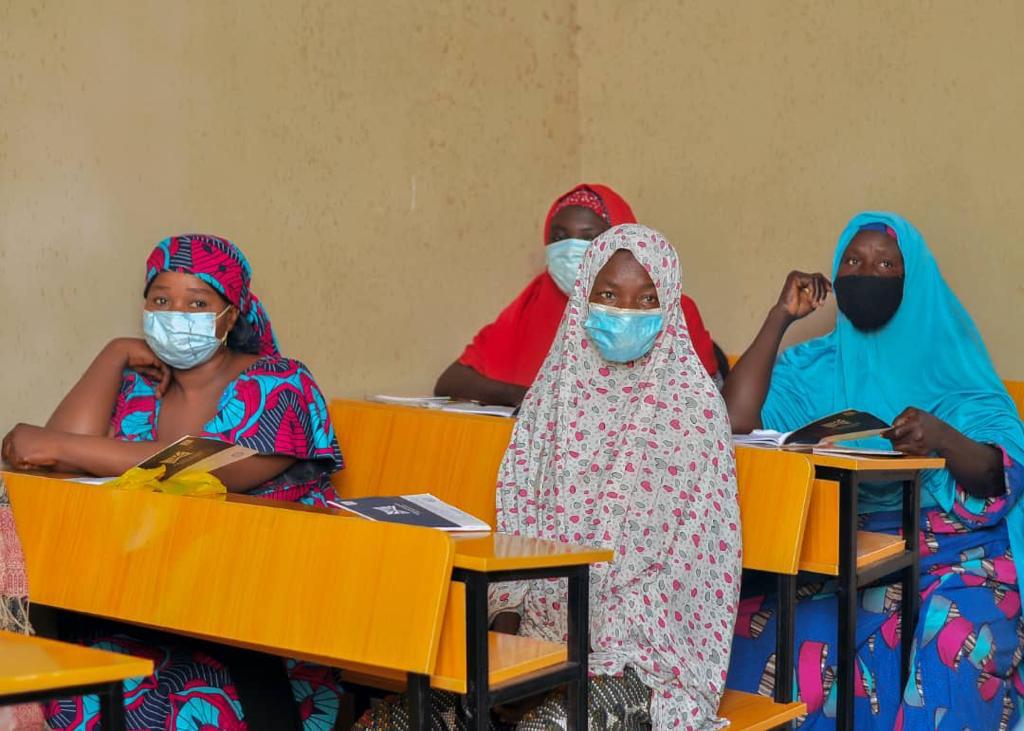
Literacy lifts women out of poverty
Studies have shown that a woman has better economic prospects and a greater chance of escaping poverty with just a primary school education.
Thus, literacy initiatives and programs create opportunities for women to learn additional skills, be employed, be entrepreneurial and pursue beneficial interests that can support their lives and livelihood.
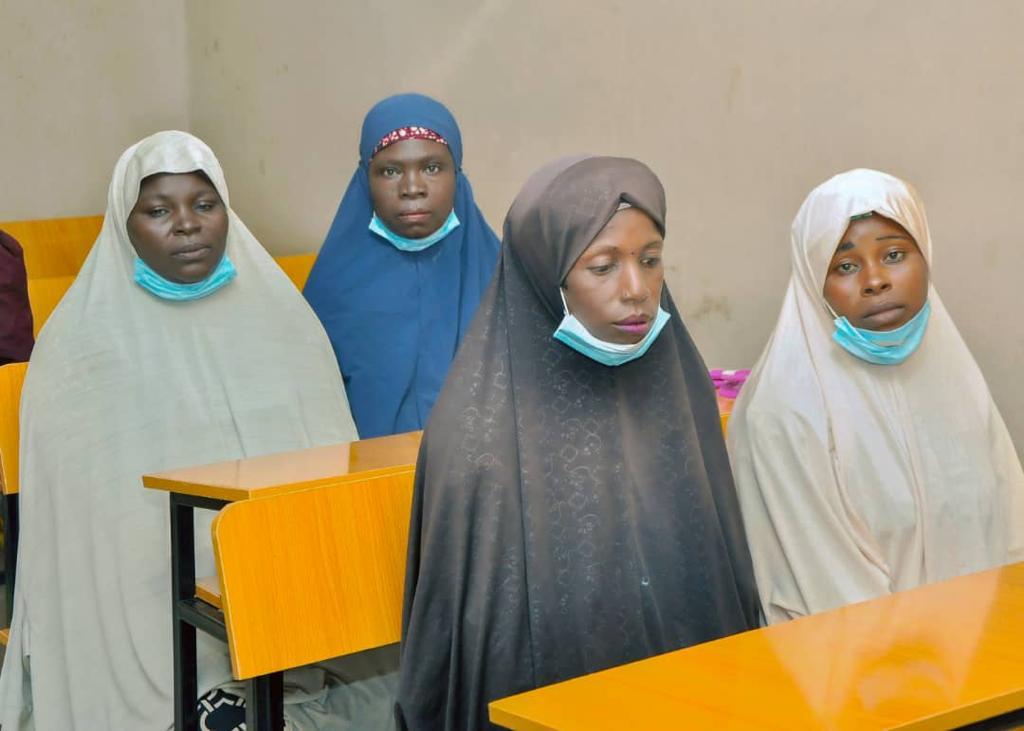
Literacy reduces infant mortality rates
It is easier for women to know and understand the importance of physical health and adopt safe birthing methods that ensure their children’s lives through acquired literacy skills. They immunise their children because they can understand the value. Studies have shown that infant mortality rates drop remarkably for women who have had primary education and even more for those who complete secondary school. It is estimated that infant mortality decreases 9% for every year of education attained.
Literacy positively impacts economic growth beyond the local community
We are a product of our environment, and an environment that is not enabling, especially towards women empowerment, slowly dies. One of the reported side effects of women literacy is how it yields social and economic benefits for the local community. In Nigeria, we see a current trend where youth migrate from rural communities to search for opportunities in large cities. Women education and literacy initiatives have proved to be instrumental in injecting life back into the community, which positively impacts each generation through raised expectations and increased self-esteem. In addition, improving literacy facilitates innovation and creates businesses and revenue streams that benefit both men and women, ultimately contributing to the community’s growth.
Literacy prevents radicalisation and the support for extremist ideologies and perpetuation of violent acts
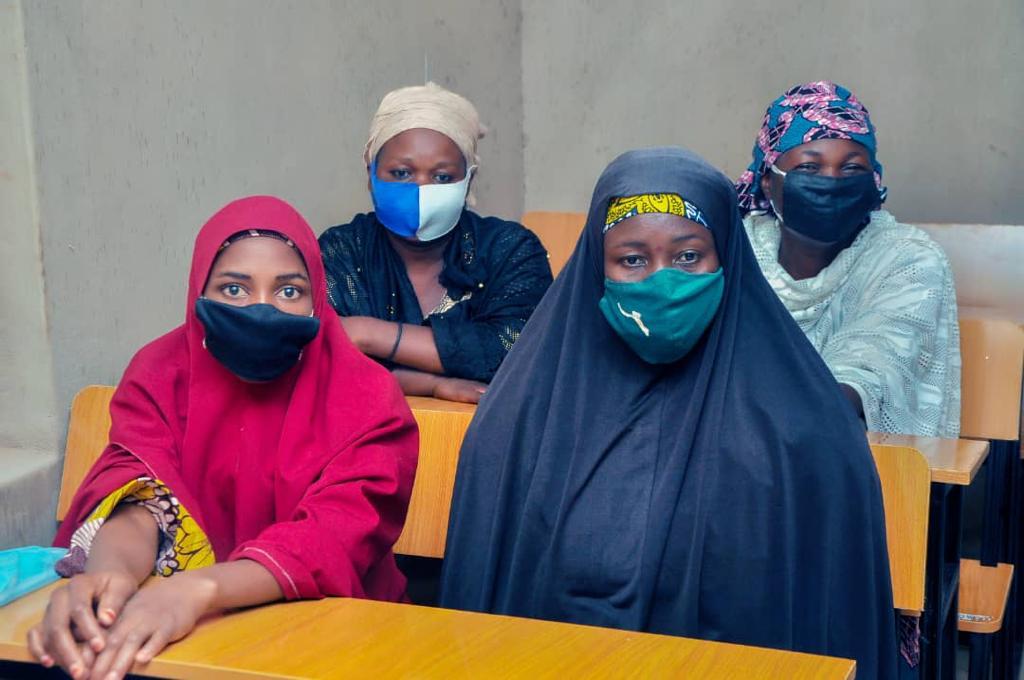
Numerous findings on the spread of radicalisation among women have shown that the largest group of women vulnerable to extremism are the poor, the under-educated and the socially excluded. In Nigeria, we have seen this trend with women being used to facilitate the terrorist actions of the Boko Haram sect. However, when women are encouraged to become empowered to be able to generate income they are less susceptible to radicalisation. Therefore, the extra support through literacy programs gives them the confidence to become employable, to be law-abiding citizens; because they know their rights and understand their stake in ensuring a peaceful and unified Nigeria.
Young Minds Digital Skills Training
An initiative aimed at empowering young minds in high schools across Gombe State with essential ICT skills like Basic Computer Operations, word processing, and creating impactful presentations. Participants receive certificates of participation and achievement and special gifts for their efforts.